
Algeria at the 1982 World Cup — Gijón: the win that was not enough, and the match that changed kick-off times
الإيطالي ·
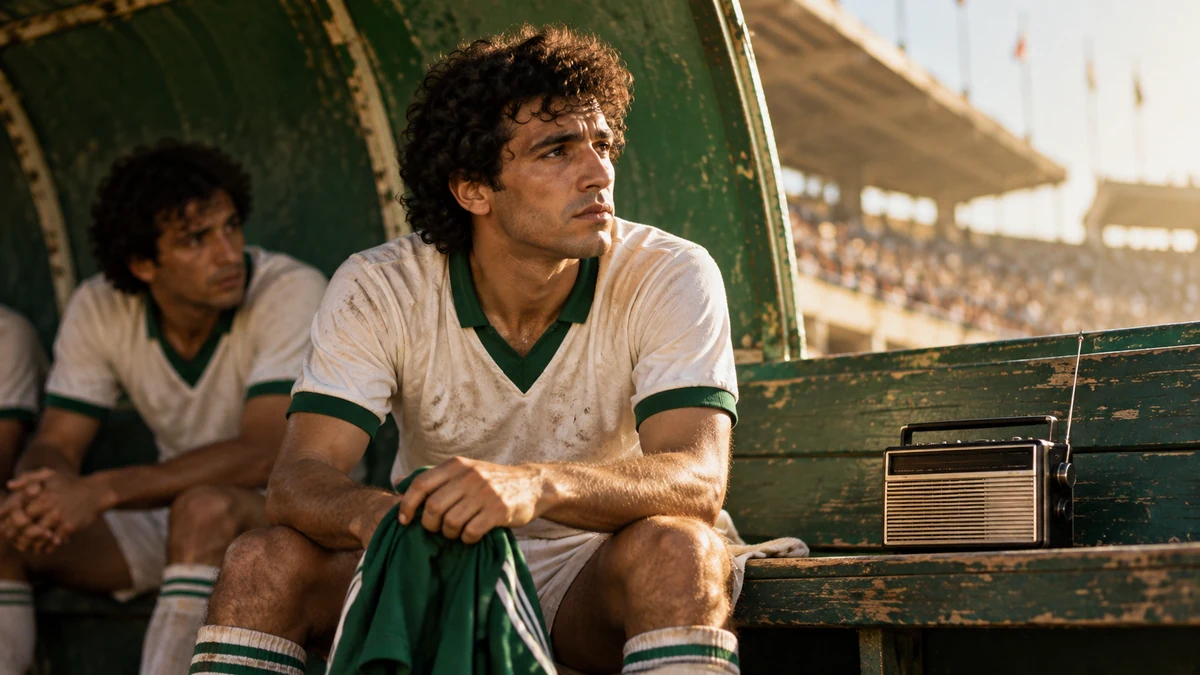
25 June 1982. El Molinón stadium in Gijón, Spain. West Germany lead Austria by one goal, and the ball is moving more than the match itself. Pass follows pass, the tempo drops, and a score that suits both sides stays on the board. Away from the ground, Algeria wait for the door to qualification to open; the minutes are closing it, one by one.
Algeria at the 1982 World Cup: it began with a victory
To understand the anger of Gijón, go back nine days. On 16 June, at the same ground, Algeria played the first World Cup match in their history against West Germany, the reigning European champions. Group 2 put the Greens alongside the Germans, Austria and Chile: names and experience that made the newcomers' task look exceptionally difficult.
But the generation of Rabah Madjer, Lakhdar Belloumi and Salah Assad had not arrived simply to watch the tournament from the inside. After a goalless first half, Madjer scored in the 54th minute. Algeria's name now stood above Germany's on the scoreboard, and an upset that had been a possibility became a reality the Germans had to answer.
Karl-Heinz Rummenigge equalised, but Algeria responded quickly through Belloumi. The Greens led 2–1, and the score held until the whistle. First appearance, first victory: a team introducing itself to the world through the widest possible door.
You can admire Madjer's boldness that night, Belloumi's movement, or the composure of a side that refused to be intimidated by a famous name. Best of all, the victory needed no alternative story written afterwards: Algeria played and won; the European champions lost on the grass.
Chile: three early goals and a nerve-racking win
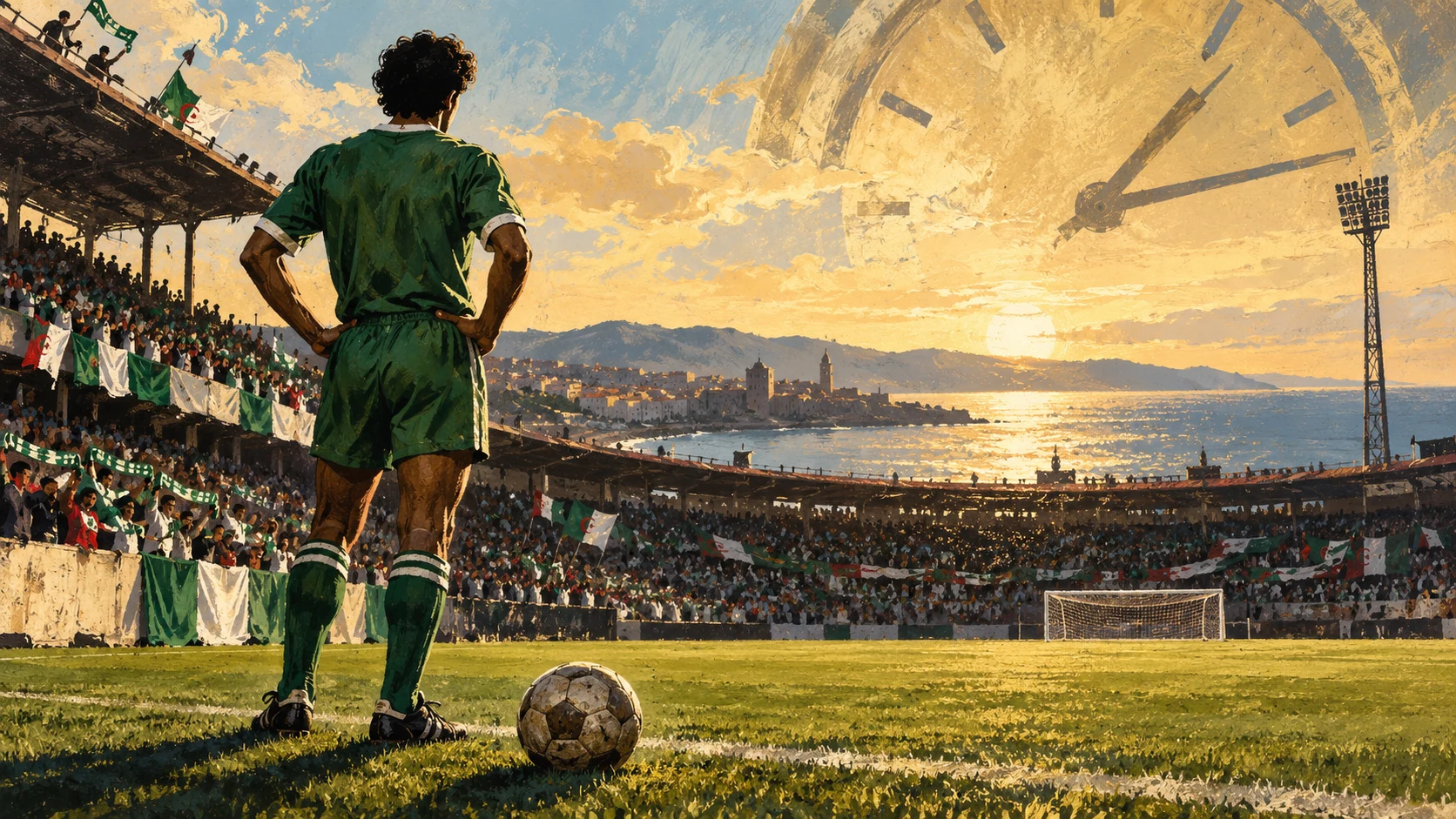
The journey did not suddenly become easy. Algeria lost 2–0 to Austria, making the final meeting with Chile their chance to keep hope alive. On 24 June, at the Carlos Tartiere stadium in Oviedo, the Greens made a flying start.
Salah Assad scored twice and Tedj Bensaoula added the third: Algeria led 3–0 before the opening 35 minutes were over. But Chile came back with two second-half goals, and the match ended 3–2. The win was recorded, but the goal difference was smaller than that opening had promised.
Algeria left the pitch with a second victory, but without qualification in their hands. An advantage that began at three goals had shrunk to one, leaving the numbers standing between celebration and the door to the second round.
Why did Algeria go out of the 1982 World Cup?
Algeria completed their matches a day before West Germany faced Austria. Before kick-off, both sides knew that a German win by one or two goals would send them through together. That was the scheduling problem: one team's campaign was finished, while two others went in knowing the exact result that suited them.
Horst Hrubesch scored in the tenth minute on 25 June. After the goal, the attacking tempo fell and the match settled at the score that served both sides. Algeria did not need a goal in their own match; they needed another match to remain a genuine contest.
It ended 1–0. With two points awarded for a win, West Germany, Austria and Algeria all finished on four points. Goal difference ranked them: Germany first, Austria second, Algeria third. Two wins in three matches, yet the Greens were out.
Gijón: a valid result and a damaged reputation
The name “Disgrace of Gijón” took its place in World Cup memory because what people saw went beyond a quiet match. Criticism focused on how preserving a convenient score had become more important than trying to change it. Even the German Football Association, in its historical review of the tournament, described the events as the disgrace of Gijón.
The result stood, and Algeria were not reinstated. But accepting the result did not erase the moral objection to it. There is a difference between what a scoreboard establishes and what a match leaves in people's memory.
An Algerian who had celebrated his country's win over the European champions was now watching a door close without being able to touch the ball. That was the source of the pain: the team had done its job in the final match, but its fate now depended on the tempo of someone else's game.
What changed after the 1982 World Cup?
From the 1986 World Cup in Mexico, the final two matches in each group were played at the same time. The final round, not the final two rounds. The aim was clear: to reduce the advantage of entering a game knowing an opponent's completed result from hours or a day earlier.
Simultaneous kick-offs do not remove calculations from football, but they make teams live through them while still playing. One nation is no longer sitting and waiting for its fate while two rivals have the complete picture before the whistle.
That is the legacy with which Gijón remained associated: Algeria's painful elimination in the 1982 table, and an organisational lesson learned by the next tournament.
From Gijón to Madjer's backheel
West Germany reached the 1982 World Cup final and lost 3–1 to Italy on 11 July. That result did not bring Algeria back, and the final was no official compensation for Gijón. Every match has its own story, even when supporters try to find a comforting ending for a wound.
Five years later, Madjer wrote a different chapter in the 1987 European Cup final. Porto were trailing Bayern Munich, and the Algerian striker found an answer with his heel to level the score. Juary's goal followed, and the final ended 2–1 to Porto.
Jean-Marie Pfaff was in Bayern's goal that day. A European club final with its own cast and stakes, and Madjer finding a new road to joy: the player who opened the door to Algeria's 1982 victory helped his club lift the European Cup in 1987.
Algeria continued the story
In 2014, Algeria reached the round of 16 for the first time in their history. A new page for a country that had kept the 1982 tournament in its memory, but returned to write another line for itself on the pitch.
Some teams stay in memory because they lifted the trophy; others because their elimination exposed a flaw that could not be left as it was. Algeria in 1982 combined something rare: a great victory worth celebrating, and an exit whose story deserves to be told correctly every time.
The goal reaches you in a second — Goltiki ⚽
Sources
- German Football Association: West Germany–Algeria record, 16 June 1982
- FIFA: Algeria's first round-of-16 qualification in 2014
- German Football Association: West Germany against Austria
- German Football Association: review of the 1982 World Cup and Gijón's impact
- German Football Association: the 1982 Italy–West Germany final
- UEFA: Madjer's backheel in the 1987 final
- UEFA: background to Bayern–Porto meetings and the 1987 final
- German Football Association: Algeria against Chile, 24 June 1982