
Baggio at the 1994 World Cup: how do we weigh five goals and a missed penalty?
الإيطالي ·
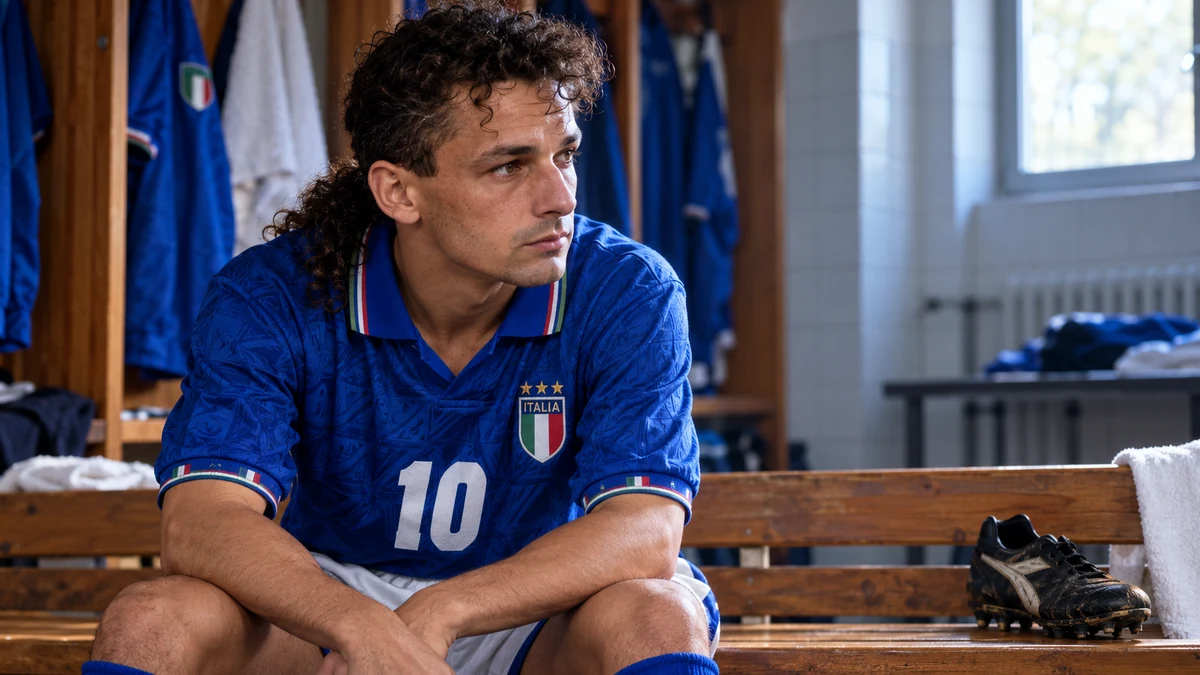
Roberto Baggio and penalty shootouts form an image that is hard to separate from the 1994 World Cup final. Yet judging his tournament solely by the penalty that sailed over the bar erases the journey that took Italy to the final. This is Goltiki's opinion: we begin with what the match records establish, then ask how to weigh success and error in a single assessment.
Mapping the five goals before the final
FIFA's archive records five Baggio goals in the knockout rounds: two against Nigeria in the round of 16, the winner against Spain in the quarter-final, and two against Bulgaria in the semi-final. Those contributions came before the missed penalty against Brazil, so they should remain part of any assessment of his tournament as a whole.
A practical example: why did the Nigeria goal matter?
Against Nigeria, Italy were a goal down and reduced to ten men after Gianfranco Zola was sent off in the 76th minute. Baggio equalised in the 88th minute, then scored a penalty in the 102nd as Italy won 2–1 after extra time. Those minutes and the result are documented in FIFA's match report.
Read the match in this sequence: a goal behind, then a player down, then an equaliser near the end of normal time, then a goal to take the lead in extra time. In our analysis, that sequence explains the value of the two goals better than simply counting them. The first kept qualification possible; the second put Italy ahead. Describing a goal's effect is more precise than merely calling someone a “hero” or “saviour” without context.
What would have happened if he had scored the final penalty?
Taffarel's FIFA interview explains that Bebeto would have had a chance to win the title for Brazil with the next penalty if Baggio had scored. The Italian scoring would therefore have kept the contest alive at that moment; it would not automatically have given Italy the trophy. This is an important boundary when retelling the final: an event that never happened cannot be turned into a certain result.
We can criticise the penalty's execution while also recognising the impact of the five goals. Explaining the miss through fear, arrogance or the player's intentions, however, requires evidence beyond the footage of the ball. What we see is an attempt that did not go in; what was happening in the taker's mind cannot be inferred from the shot's trajectory alone.
Three questions to use while watching
First: what was the score when the player made his contribution? A late equaliser and a goal that extends a lead go into the same scoring record, but affect a match differently. Second: what were the surrounding circumstances? Check the time remaining, any numerical disadvantage and the sequence of events. Third: are you describing one match or an entire tournament? Define the scope of your judgment before choosing the moments that support it.
To put this into practice, write one line for each contribution: the event, the minute, the score before it and the score afterwards. Then place the missed penalty at the end of the record, without removing what came before or downplaying its impact. This approach to watching can also be used for a striker who misses a chance or a goalkeeper who makes an error after a series of saves, while avoiding judgments the footage cannot support.
Our view is that assessing Baggio becomes fairer and more useful when both things are retained: goals that helped Italy reach the final, and a missed penalty that ended his involvement in it. Recognising the value of the journey does not erase the mistake at its end; recognising the mistake does not reduce the entire journey to it.