
Where will the 2030 World Cup be played? Morocco, Spain, Portugal—and a story crossing the ocean
الإيطالي ·
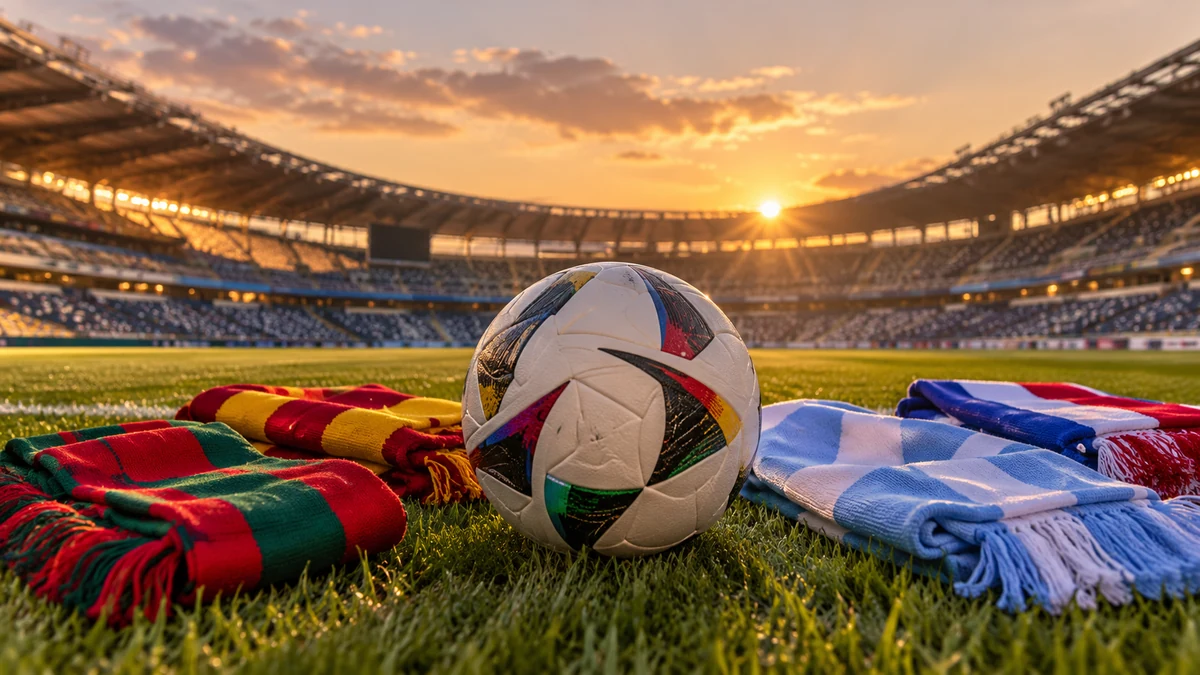
Whenever the World Cup comes up, so does the question: where will the 2030 World Cup be played?
The official answer: Morocco, Spain and Portugal are the tournament's hosts, alongside three centenary celebration matches in Uruguay, Argentina and Paraguay, one in each country.
The decision was ratified on 11 December 2024 at an extraordinary FIFA Congress held online. At the same meeting, Saudi Arabia was chosen to host the 2034 edition.
That means the World Cup map will open across six countries and three continents, in an edition marking a hundred years since the first whistle in the competition's history.
The 2030 World Cup: three host countries and three centenary chapters
Morocco, Spain and Portugal will host most of the tournament, while the three South American countries stage the centenary celebration matches.
The 2030 edition will therefore be the first World Cup played across three continents: Africa, Europe and South America. Hosting jointly across three countries, however, was already done in 2026 by Canada, Mexico and the United States.
The idea offers a picture worth imagining: a ball beginning its journey amid South American memories, then continuing between the African and European shores. Across all those stands, supporters travel, flags discover new streets, and an old story takes a broader shape.
Morocco: from the semi-final dream to welcoming the world
For Arab supporters, Morocco's name adds a special feeling to the story.
Morocco will be the second Arab country to host the men's World Cup after Qatar, and the second African country after South Africa. FIFA highlighted that African milestone in discussing the centenary edition.
Before hosting came an achievement on the pitch: at Qatar 2022, Morocco became the first African and Arab team to reach a World Cup semi-final.
Welcoming the tournament will therefore carry a different meaning for supporters who lived through the joy of reaching the last four. This time they will welcome the world into their home, among familiar streets and stands close enough to hear their voices.
Why does the centenary return to Uruguay?
In 1930, Uruguay hosted the first World Cup, with 13 participating teams.
In the final, the hosts beat Argentina 4–2 in front of 68,346 spectators, according to FIFA's official figures. There, at the Centenario stadium, the first world champions were crowned.
In 2030, a century will have passed since that beginning. Returning tournament matches to South America gives the centenary celebration a clear address: football visits its first pages before continuing to write the rest.
How many teams will play at the 2030 World Cup?
The previously announced format for 2030 includes 48 teams. In official remarks about the World Cup's future in general on 18 July 2026, FIFA president Gianni Infantino said an increase from 48 to 64 teams was under discussion, without identifying the 2030 edition in that statement.
We therefore give 48 as the announced format, distinguishing it from the wider discussion about expansion to 64. The statement referred to a discussion; it did not announce approval of an expansion.
What is certain is that the centenary edition has a story worth waiting for: Morocco, Spain and Portugal at the heart of the hosting, and three South American stops recalling where the tournament began.
A hundred years on, football can still make the world arrange its day around a whistle.
The goal reaches you in a second — Goltiki ⚽
Written by: الإيطالي 🌹
Sources
- FIFA — ratification of the 2030 and 2034 hosts
- FIFA — the distinctive three-continent 2030 edition
- FIFA — hosting the 2026 edition
- FIFA — Morocco and hosting the tournament
- FIFA — Morocco's achievement at Qatar 2022
- FIFA — the first final in 1930
- FIFA — announcement of the 48-team format for 2030
- FIFA — Infantino's July 2026 statement